AI Tools Every Professional Should Know in 2026
The AI tooling landscape is noisy. Here are the tools that have earned a permanent place in professional workflows — and what each is actually good for.
Practical articles on AI literacy, prompt engineering, and professional AI skills.

The AI tooling landscape is noisy. Here are the tools that have earned a permanent place in professional workflows — and what each is actually good for.
Official ChatGPT browser tools bring ChatGPT into the pages you are already browsing — through a side panel and text selection workflow. Here is how to use them for professional work.
The Claude browser extension brings Claude into a side panel alongside the page you are reading — no copy-pasting required. Here is how to install it and use it for real professional tasks.
You have both browser extensions installed. Which one do you open for a given task? A practical four-question framework for choosing between Claude and ChatGPT browser tools.
A categorised library of 50 copy-paste AI prompts covering every major HR workflow — recruitment, onboarding, performance, L&D, communications, compliance, and offboarding.
Not all work data carries the same risk in an AI tool. This checklist breaks down exactly which data types are safe, which are off-limits, and why — so you can use AI confidently without creating legal or compliance problems.
Not all AI credentials carry equal weight. Here is what makes an AI certification worth pursuing in 2026 and how to choose the right one for your career.
AI at work raises real questions about accuracy, fairness, and accountability. Here is what every professional needs to understand before they start.
Business analysts are using AI to speed up requirements work and documentation, freeing time for analysis that actually influences business decisions.
Finance professionals are using AI to accelerate analysis and improve reporting quality. Here are the practical tools and use cases working in 2026.
Healthcare AI has moved into daily clinical and administrative work. Here is what is working, what remains risky, and what professionals need to know.
Operations managers are using AI to surface problems earlier, document processes faster, and reduce coordination overhead. Here is how in 2026.
Project managers are using AI to cut planning time, improve status reports, and identify risks earlier. Here is what that looks like in practice.
AI meeting tools differ in accuracy, integrations, and summary quality. Here is an honest comparison of Otter.ai, Fireflies, Copilot, and Zoom AI in 2026.
Accountants are using AI to cut low-value work and focus on the judgment calls that matter most. Here is what is working in practice in 2026.
Customer service teams are using AI to handle more volume without losing quality. Here is what is genuinely working in 2026 and how to apply it.
Marketing teams using AI produce more content and spend more time on strategy. Here is the toolkit that is actually making a difference in 2026.
Remote teams face coordination and communication challenges that AI tools can reduce. Here are the tools making the biggest practical difference in 2026.
Small business owners are using AI to handle tasks that used to require extra headcount. Here are the tools worth your time and how to use them.
Teachers are using AI to cut planning time, differentiate content, and build better assessments. Here is what is actually working in classrooms in 2026.
AI writing tools genuinely help with some parts of the writing process and actively hurt others. Here is what to use, what to skip, and why in 2026.
Not all AI writing tools serve the same purpose. This comparison covers ChatGPT, Claude, Jasper, and Grammarly to help you match the tool to your task.

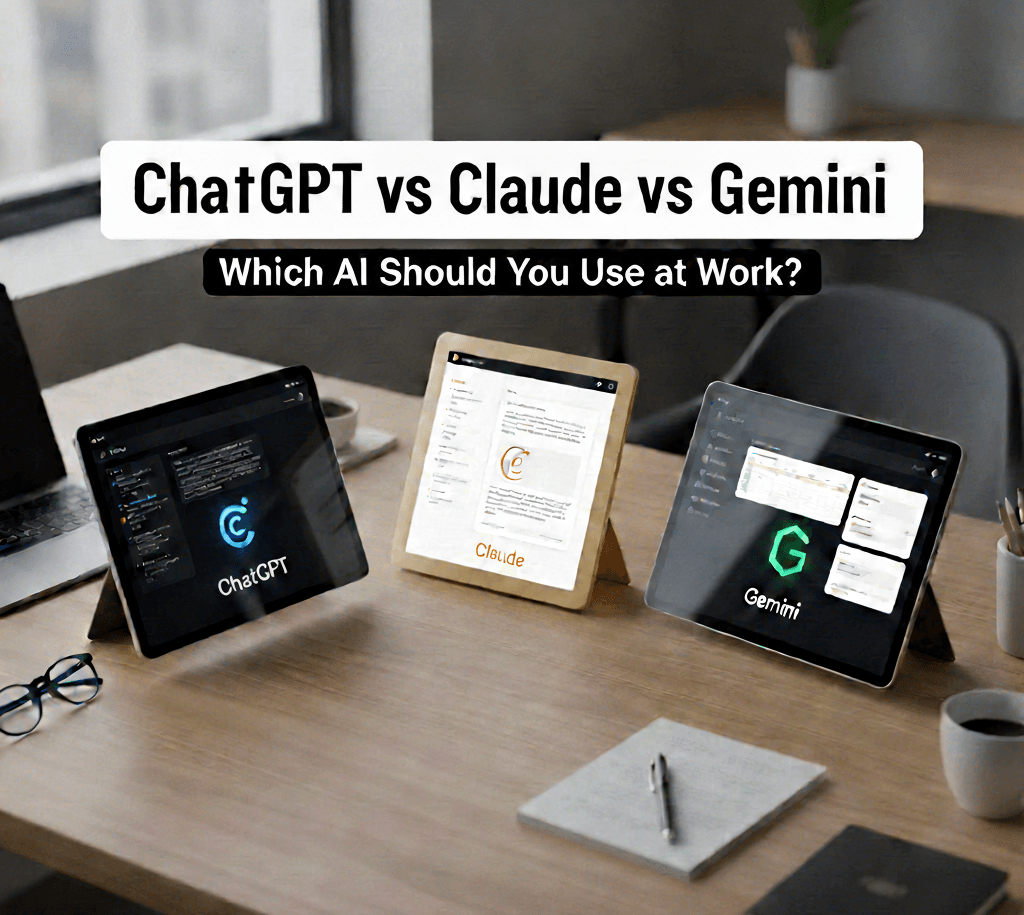
A practical comparison of ChatGPT, Claude, and Gemini for working professionals. See which AI assistant wins by task type — not just features.
ChatGPT and Microsoft Copilot work differently and suit different job contexts. Here is a clear comparison to help you decide which one to reach for.
Hundreds of free AI training resources exist but most are not worth your time. Here is an honest guide to what is genuinely useful and who it suits best.

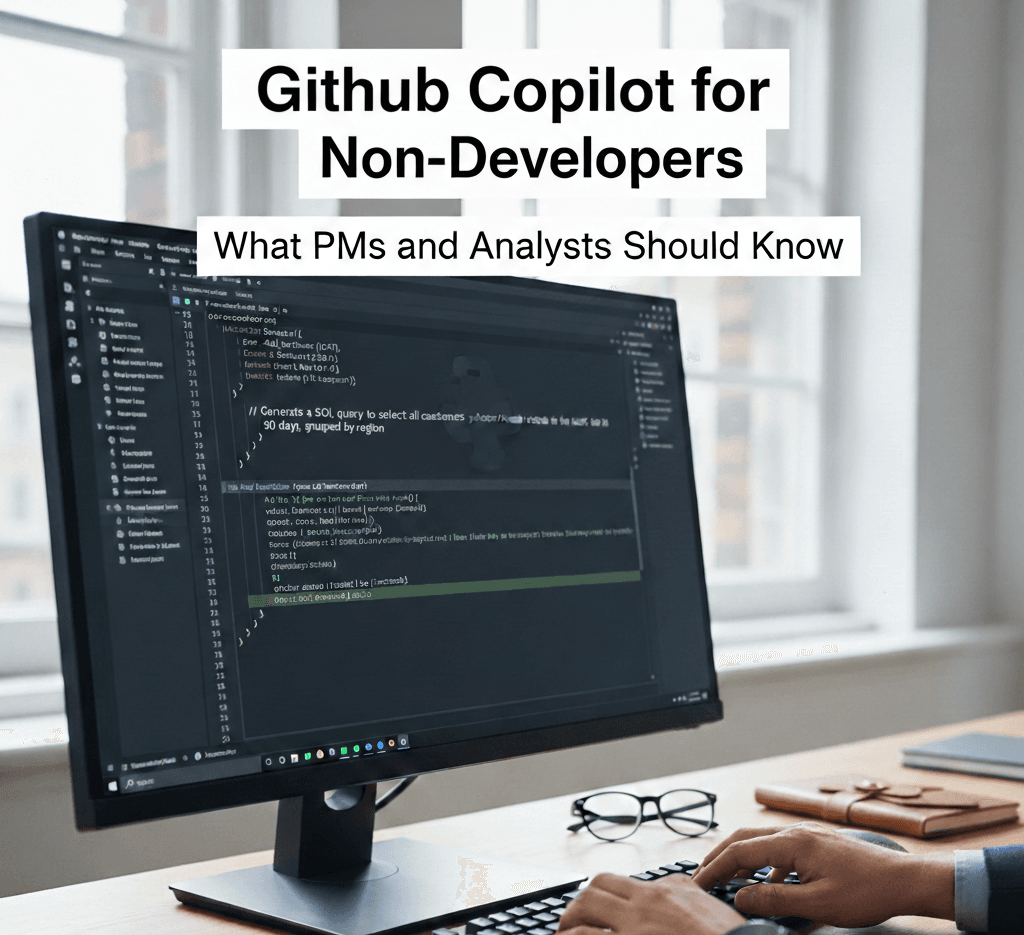
You do not need to code to benefit from GitHub Copilot. Here is what product managers and business analysts should know — and how to get started.

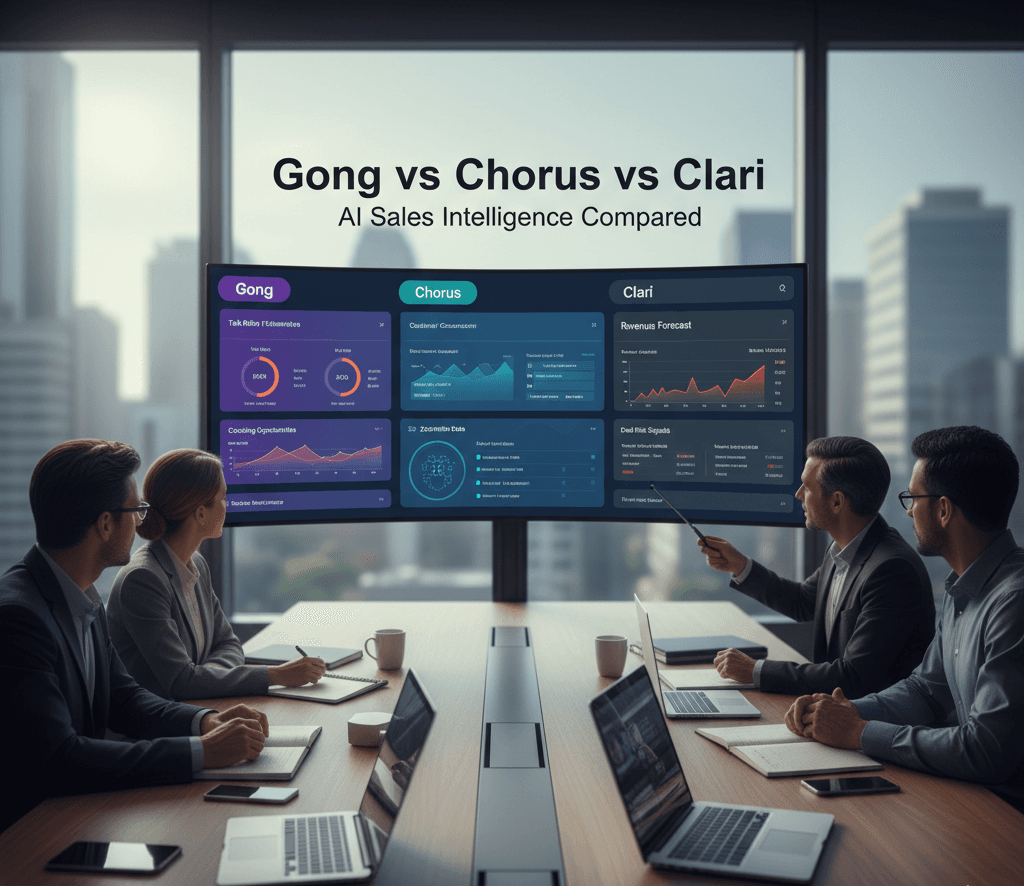
Comparing Gong, Chorus, and Clari for sales teams in 2026. See which revenue intelligence platform fits your team size, motion, and AI maturity.
Here are 10 concrete examples of how real businesses are using AI across industries and functions, with a clear account of what was done and what changed.
Consultants are using AI to compress research timelines and build more rigorous analyses faster. Here is what that looks like in practice in 2026.
From SQL generation to executive summaries, AI has reshaped the analyst workflow. Here is where it is genuinely useful and where your judgment still matters.
AI has reached the boardroom and the C-suite. Here is how leaders are using it to sharpen decisions, communicate more clearly, and build organisations that can actually use it.
From job description drafting to performance review cycles, HR teams are using AI to reduce administrative load and sharpen the quality of every people process. Here is what that looks like in practice.
Lawyers and legal teams are using AI to move faster on research, drafting, and client communication. But the professional liability stakes mean the approach matters as much as the tool.
Top-performing sales reps are using AI to sharpen research, personalise outreach, and prep for difficult conversations. Here is where the real productivity gains are happening.
Copilot, Cursor, Claude Code. AI coding tools are now part of the standard engineering workflow. Here is what they actually accelerate and where the risk lives.
No coding required. Here is how to identify which repetitive tasks to automate with AI, which tools to use, and how to build your first workflow.
A practical 30-day plan for building real AI skills. No technical background required. Each week has a clear focus and daily tasks under 45 minutes.
AI job concerns are legitimate. Here is what the evidence shows and what you can do now to stay valuable as AI becomes standard across professional work.
AI can cut email drafting time by more than half without making your messages sound robotic. Here is how to do it properly, with real prompt examples.
Perplexity retrieves. ChatGPT generates. Here is when to use each for professional research — and how to combine both for better results at work.

A step-by-step guide to earning a credible AI certification — what to look for, which certifications matter to employers, and how to get started today for free.

More hiring managers are asking about AI. Here's how to talk about your AI experience confidently — and what to say if you don't have much yet.

AI is changing how finance professionals work — but the use cases are more specific than the hype suggests. Here is what matters for FP&A, accounting, and CFOs.

Project managers are using AI to cut admin time, improve planning accuracy, and run better retrospectives. Here is how to do it yourself.

Nine free AI certification platforms evaluated on what actually matters: exam rigor, independent verification, time investment, and credential portability. No sponsored rankings.

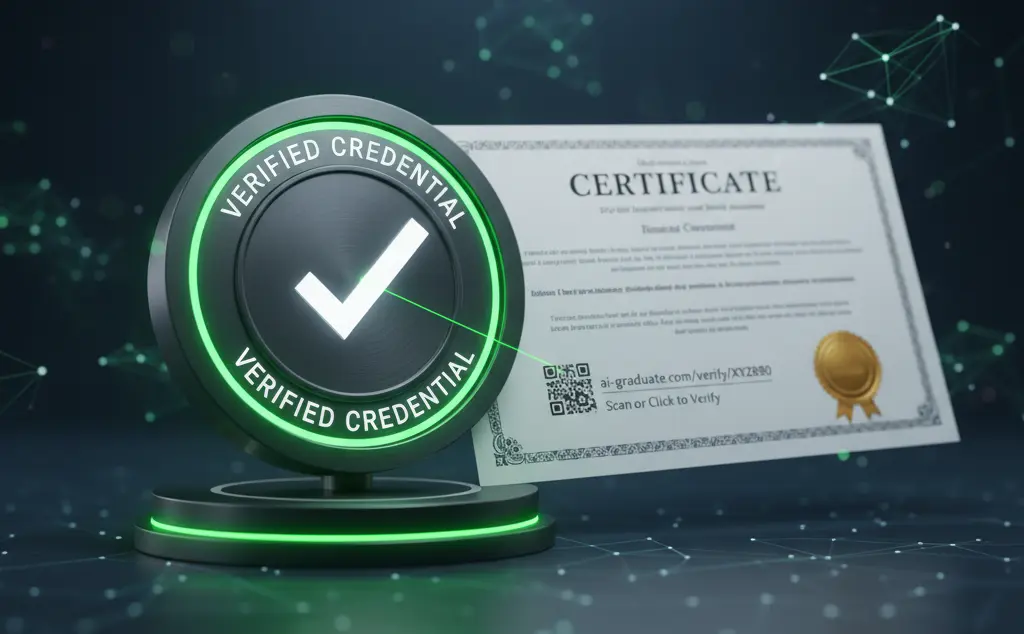
Most free AI certificates can't be independently verified. Here are the ones that can — and why verification matters to hiring managers.

AI has changed the marketing workflow more than any other tool in the last decade. Here is what skilled marketers are actually doing with it.

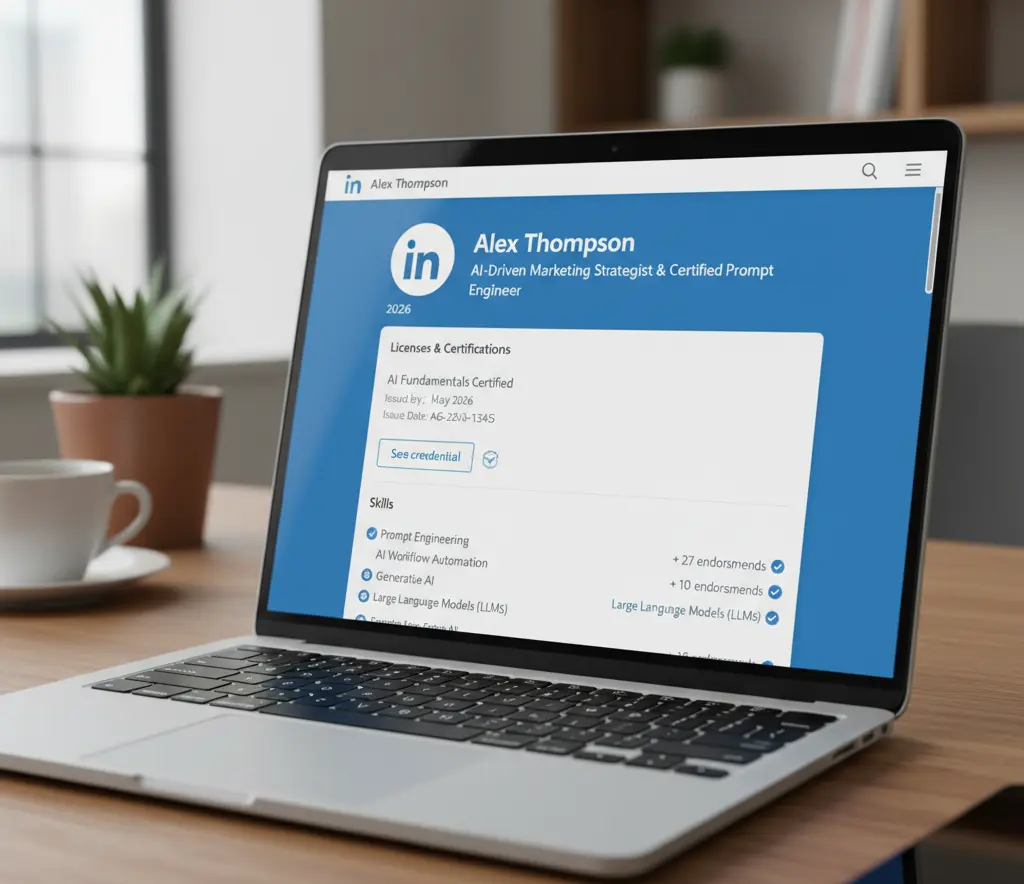
AI literacy is becoming a hiring signal. Here is exactly how to display AI skills and certificates on LinkedIn — and what actually stands out to recruiters.

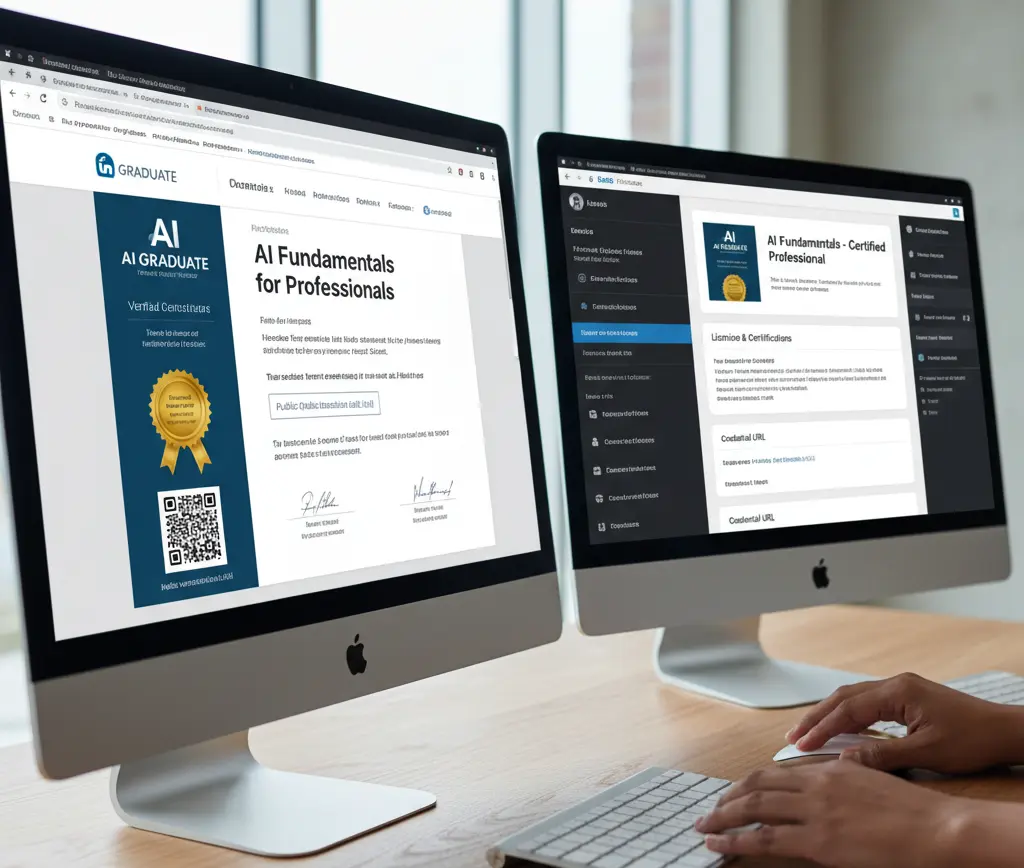
Everything you need to know about the AI Fundamentals for Professionals course — what it covers, how hard the exam is, and whether the certificate is worth your time.

The AI hype cycle makes it easy to overestimate what these tools can do. Here's an honest look at where AI still fails — and why that matters for how you use it.

Not all AI certificates are equal. Here is what a credible AI certificate signals to employers — and what to look for when choosing one.

If you're switching careers and want AI credentials to support the move, here's what matters — and what doesn't.

AI tools are powerful — but using them carelessly at work can create legal, privacy, and professional risks. Here's what you need to know before you start.

You don't need to be a developer to use AI effectively at work. Here's a practical, jargon-free guide to prompt engineering for business professionals.

AI literacy is quickly becoming a baseline professional expectation. Here is what it means, why it matters, and how to build it efficiently.